

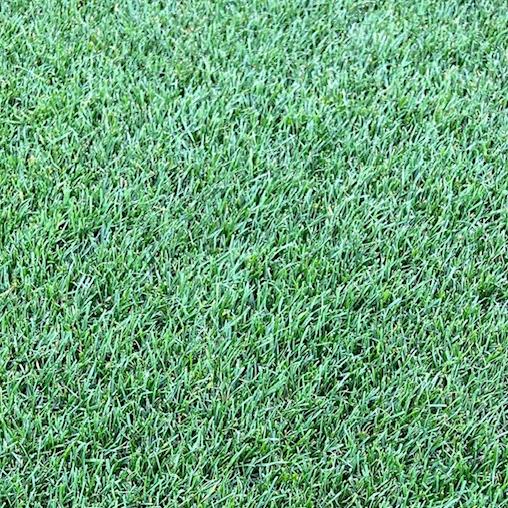
Homeowners often choose North Bridge Bermuda for its aesthetic appeal. The fine texture and rich green color create a lush lawn that enhances curb appeal and blends well with landscape design features. It also maintains a uniform look that can elevate the appearance of your outdoor spaces.
If you have children or pets that love to run and play, you’ll appreciate the durability of North Bridge Bermuda. Its dense growth and strong stolons make it resistant to wear from frequent use. High-traffic areas are less likely to develop bare spots, and the turf regains its structure more quickly after stress.
Characteristics
| Disease, Weed and Insect Resistance | Although North Bridge Bermuda is highly competitive against weeds due to its density, occasional weed and pest issues can still arise. Use preemergent herbicides to reduce unwanted weeds, and address pest infestations promptly with products appropriate for turfgrass. Always follow label instructions when applying any lawn chemicals. |
Maintenance
| Soil and Fertilizer | Fertilize your Bermuda lawn according to soil test results and recommended nutrient schedules. Warm-season grasses like Bermuda typically benefit from regular nitrogen applications during peak growing season. Applying fertilizer at the appropriate times helps maintain rich color and vigorous growth. |
| Watering | Bermuda sod needs regular moisture to stay healthy, especially in the first few weeks after installation. After establishment, adjust your watering schedule to match seasonal conditions. During hot, dry periods, Bermuda grass may need deeper but less frequent watering to promote root growth. In cooler months, reduce irrigation to avoid oversaturation. |
| Mowing | Maintain your North Bridge Bermuda lawn at a height of 1 to 2 inches for best performance. Frequent mowing at the correct height encourages lateral growth and improves turf density. Avoid removing more than one-third of the grass blade in a single mowing session. |