

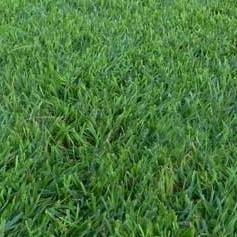
If you are looking for a lawn grass that offers a soft texture, strong performance, and reliable growth in warm Southern climates, Brazo Zoysia is an excellent choice. This popular warm-season turf is well known for its rich green color, dense growth pattern, and ability to handle both sunlight and partial shade. At Atlanta Sod Farms, homeowners, landscapers, and property managers can find high-quality Brazo Zoysia sod that is grown locally for strong performance in Georgia’s climate.
Brazo Zoysia is a fine-bladed variety of Zoysia grass that forms a thick, uniform lawn surface. Its tight growth pattern allows it to crowd out many weeds naturally, which helps reduce long-term maintenance. The grass spreads through both stolons and rhizomes, creating a dense root system that supports long-term turf health.
| Disease, Weed and Insect Resistance | Brazo Zoysia naturally resists many weeds due to its dense growth habit. However, occasional weed or pest issues can still occur. Pre-emergent herbicides applied in early spring help prevent annual weeds from establishing. Post-emergent treatments should be used only when necessary and should always be labeled safe for Zoysia grass.
Maintaining proper mowing height, watering correctly, and following a consistent fertilization schedule all contribute to strong turf that resists pests and disease pressure. |
| Soil and Fertilizer | A consistent fertilization plan helps maintain strong color, steady growth, and a thick turf canopy. Brazo Zoysia responds well to balanced fertilizers applied during the warm growing season.
In spring, the first fertilizer application should be made once soil temperatures reach around 60 to 65 degrees. A slow-release fertilizer with a balanced nutrient ratio such as 15-5-10 works well at this stage. Apply approximately half to three quarters of a pound of nitrogen per 1,000 square feet. During summer, fertilization should continue every six to eight weeks while the grass is actively growing. A fertilizer with slightly higher nitrogen content such as 20-5-10 supports strong growth and deep green color. Over the course of the summer, aim for a total nitrogen application of about one to one and a quarter pounds per 1,000 square feet. In late summer or early fall, a final fertilizer application can be made using a formula with lower nitrogen and higher potassium such as 10-10-20. This helps strengthen the root system and prepares the grass for cooler temperatures. During winter dormancy, fertilization is typically not necessary unless a soil test indicates specific nutrient deficiencies. |
| Watering | Watering is the most important factor in successful sod establishment and long-term lawn health. Brazo Zoysia is more drought-tolerant than many cool-season grasses, but it still requires consistent moisture, especially during its early growth stages.
During the first two weeks after installation, the sod should be watered two to three times per day for short periods. The goal is to keep the top layer of soil consistently moist without creating puddles or runoff. Each watering session should last about ten to fifteen minutes depending on soil type and weather conditions. From weeks three through four, watering can be reduced to once or twice per day for fifteen to twenty minutes per session. At this stage, the roots are beginning to grow into the soil and benefit from slightly deeper watering. From weeks five through eight, watering can transition to every other day for twenty to thirty minutes per session. This encourages deeper root growth and improves drought tolerance. Once established, Brazo Zoysia should receive approximately one to one and a quarter inches of water per week during the growing season. This amount is best applied over two or three watering sessions rather than all at once. During extended periods of heat and drought, the weekly total may increase slightly. In cooler months, watering should be reduced as growth slows. |
| Mowing | Brazo Zoysia performs best when mowed at a height between one and a half and two and a half inches. Maintaining this height encourages dense growth while protecting the root system. It is important not to remove more than one-third of the blade height in a single mowing to avoid stressing the turf.
Mower blades should be kept sharp to ensure clean cuts, which helps reduce the risk of disease and improves overall lawn appearance. Regular mowing also promotes lateral growth, allowing the grass to fill in thin areas more effectively. Aeration can be beneficial for compacted soils and is best performed in late spring or early summer when the grass is actively growing. |